Exploring the Capability: A Complete Overview to Toyota Engine Technology
In the world of automotive engineering, Toyota is distinguished by its focus on innovation and reliability. This guide explores the intricacies of Toyota's wide range of engines, including progress made in hybrid technology and power upgrades. Every engine variant provides distinct advantages designed for different driving styles. Grasping these factors can substantially affect vehicle capability and fuel economy. The following sections will uncover valuable information that every Toyota owner should consider.
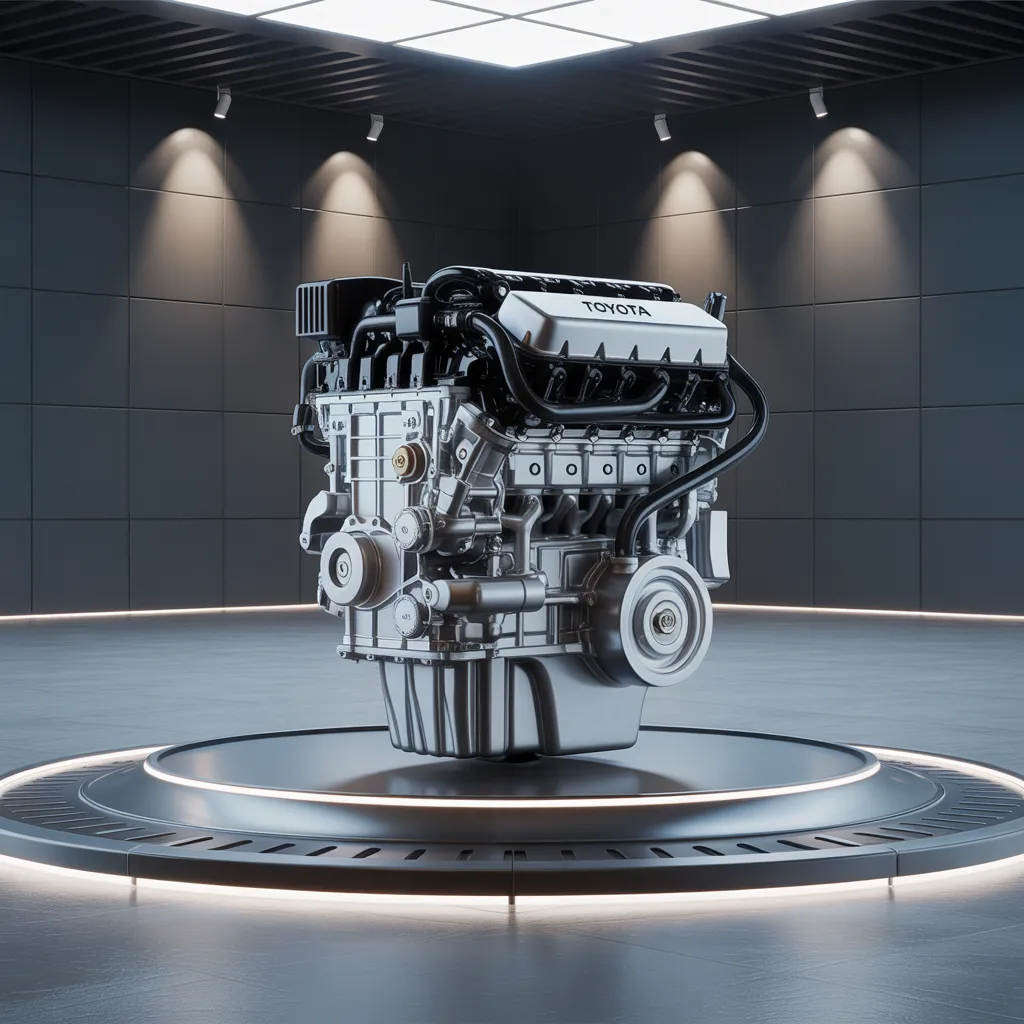
The Engineering Excellence Behind Toyota Engines
Toyota's highly skilled team of engineers are committed to consistent performance, often exceeding established benchmarks in testing and development. This disciplined process produces engines that not only perform well but also demand minimal upkeep over the years. In addition, the integration of cutting-edge technologies, including variable valve timing and fuel injection systems, optimizes both fuel efficiency and power output.
Toyota Engine Types and Their Unique Features
Toyota's range of engines presents a diverse range of engineering solutions, including cutting-edge gasoline engines designed for optimal output and economy. The inclusion of hybrid technology significantly boosts these engines, offering significant advantages in emissions reduction and fuel efficiency. Recognizing these remarkable attributes reflects Toyota's dedication to sustainable engineering excellence.
Gas-Powered Engine Innovations
A distinguished range of gasoline engine innovations defines Toyota's technical expertise, demonstrating multiple technologies aimed at improving performance and efficiency. Toyota's Dynamic Force Engine technology embodies this dedication, optimizing combustion and improving thermal efficiency. VVT-i systems additionally improve responsiveness across a range of driving conditions, delivering improved fuel efficiency while maintaining power output. Additionally, the introduction of turbocharged engines enables smaller configurations that produce impressive torque and acceleration. Toyota's commitment to modern materials and precision engineering further leads to lower drag and superior overall output. Through the adoption of these advanced innovations, Toyota remains at the forefront of the automotive sector, offering drivers a balance of power, efficiency, and reliability in their gasoline engines, defining new milestones in automotive excellence.
Advantages of Hybrid Technology
Hybrid powertrain technology stands as a significant advancement in automotive engineering, combining the strengths of both gasoline and electric power to deliver a cleaner and more fuel-efficient driving experience. Toyota's pioneering systems, like the Hybrid Synergy Drive, maximize fuel economy while reducing harmful emissions. This innovation permits vehicles to function on electric propulsion at slower speeds, decreasing fuel dependency and boosting metropolitan driving efficiency. The regenerative braking system harnesses energy normally dissipated during braking, further improving efficiency. Furthermore, hybrid vehicles provide the benefit of decreased reliance on conventional fuels, supporting environmental sustainability initiatives. With an effortless interchange between electric and combustion power, Toyota's hybrid vehicles provide a refined and comfortable ride, appealing to eco-conscious consumers who seek performance without compromising on environmental responsibility.
Understanding Toyota's Electric and Hybrid Motor Options?
While the automotive industry increasingly emphasizes sustainability, Toyota has established itself as a pioneer in hybrid and electric engine technology. The brand's innovative approach to hybridization began with the Prius, which defined a new standard for fuel efficiency and reduced emissions. Toyota's hybrid engines integrate a petrol engine with an electric motor, enabling smooth transitions between power sources to maximize efficiency and performance.
Alongside hybrid vehicles, Toyota now offers fully electric vehicles, showcasing its focus on zero-emission driving. The company's electric models emphasize impressive range capacity and rapid charging, meeting the changing demands of eco-conscious consumers.
Additionally, Toyota is aggressively advancing hydrogen fuel cell innovations, strengthening its diverse powertrain offerings. This comprehensive approach not only underscores Toyota's focus on environmental responsibility but also places the brand as a leader in the transition toward a more eco-friendly future for transportation.
Technologies Improving Performance and Efficiency
Toyota incorporates an array of sophisticated technologies to enhance both performance and efficiency across its engine lineup. One notable advancement is the Variable Valve Timing (VVT) system, which enhances valve operations for improved fuel efficiency and power delivery. In addition, the use of direct fuel injection enables precise fuel delivery, enhancing combustion efficiency while minimizing emissions.
Turbo technology represents another significant advancement, allowing compact engines to generate greater power while maintaining fuel efficiency. Moreover, Toyota employs weight-reduced materials throughout engine manufacturing to decrease the engine's overall mass, resulting in enhanced performance and fuel efficiency.
The integration of hybrid technology further exemplifies Toyota's dedication to sustainable practices, combining electric and gasoline energy for optimal performance. Finally, sophisticated engine management systems consistently oversee and fine-tune engine parameters, guaranteeing that performance and efficiency are enhanced across diverse driving conditions. Collectively, these breakthroughs represent Toyota's profound devotion to engineering excellence.
Ways to Keep Your Toyota Engine Running Strong
Maintaining ideal engine performance and longevity requires attentive care and regular maintenance. Scheduled oil changes are a fundamental necessity; applying the manufacturer-approved oil type provides maximum lubrication performance. Monitoring coolant levels and maintaining the cooling system prevents overheating, which can lead to severe engine damage. Regularly checking and replacing air filters enhances airflow, improving combustion efficiency.
Moreover, performing regular inspections of belts and hoses allows you to identify wear before it causes issues. Tire pressure is an important factor that should not be ignored, as adequately inflated tires help lessen the burden on the engine. Ensuring the fuel system remains clean is vital; employing quality fuel along with occasional fuel system cleaners can boost overall performance.
Additionally, following the automaker's maintenance schedules contributes to the overall health of the engine. By adopting these maintenance habits, owners of Toyota vehicles can experience a strong and reliable engine that performs well for years to come, delivering consistent reliability and fuel efficiency while driving.
Selecting the Best Toyota Engine for Your Driving Style
How can drivers select the ideal Toyota engine that aligns with their unique driving style? Understanding the key engine types available is essential. For drivers who place fuel economy at the top of their list, Toyota's hybrid engines, such as the one found in the Prius, offer exceptional mileage without sacrificing performance. Conversely, drivers seeking a sportier experience may prefer the turbocharged engines in models like the Camry TRD, which deliver an exhilarating driving experience.
For avid off-road drivers, the powerful engines in the Tacoma and 4Runner offer the required torque and durability for difficult terrain. Additionally, city drivers might find the efficient engines in the Corolla adequate timely resource for city driving, emphasizing agility and ease of parking.
At the end of the day, assessing one's own driving habits, performance expectations, and eco-friendly factors will point drivers toward the ideal Toyota engine, delivering a perfect fit between the automobile's strengths and the driver's lifestyle.
Questions We Often Receive
How Does Toyota Keep Engine Reliability Consistent Over Time
Toyota guarantees engine dependability over the years via thorough testing procedures, superior materials, and cutting-edge engineering approaches. Ongoing enhancements driven by in-depth research and valuable customer insights additionally strengthen durability, promoting long-term performance and customer satisfaction.
What Are Typical Signs of Toyota Engine Problems?
Common signs of problems with a Toyota engine include strange sounds, oil leaks, decreased engine performance, indicator lights on the dash, engine overheating, and abnormal exhaust smoke. Observing these symptoms early can help prevent more severe damage and costly repairs.
Do Toyota Engines Work Well With Aftermarket Modifications?
Toyota powerplants are widely suited for aftermarket enhancements, permitting enthusiasts to boost performance and styling. That said, compatibility can differ depending on particular models and modifications, requiring thorough research and deliberation for optimal outcomes.
How Can I Identify My Toyota Engine Model?
To recognize a Toyota engine model, one may check the engine serial code located on the engine block, commonly near the front of the engine. In addition, vehicle identification numbers, commonly known as VINs and manufacturer's owner's manuals offer essential information for precise identification.
What Maintenance Schedule Is Recommended for Toyota Engines?
Toyota motors generally demand regular maintenance at intervals of 5,000 to 10,000 miles, including oil changes, filter replacements, and inspections. Following the manufacturer's recommendations secures top-tier performance and durability of the vehicle.